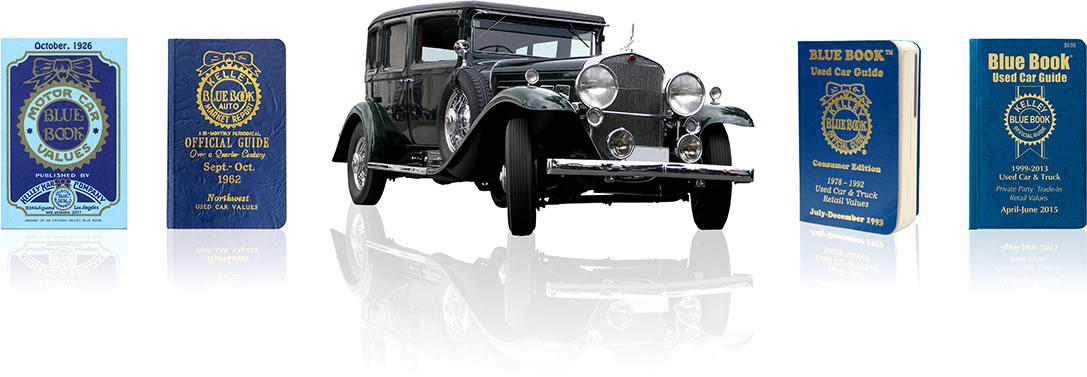
Les Kelley was so successful at selling cars that he constantly needed more cars for his lot; he began distributing a list of automobiles he wanted to purchase with the prices he was willing to pay for them to dealers and banks.
Soon, the automotive community trusted his judgment as a good reflection of current values. Other dealers and banks requested the list for their own use and the Kelley name became the most trusted for car values. This list later became known as the Kelley Blue Book.
In 1918, a young man named Les Kelley parked three Model T Fords in an open lot, put $450 in the till and started the Kelley Kar Company. It was to become the largest dealership in the world and, along the way, spawn a need for placing values on used and even new cars, known as Blue Book® values.
In 1918, a young man named Les Kelley parked three Model T Fords in an open lot, put $450 in the till and started the Kelley Kar Company. It was to become the largest dealership in the world and, along the way, spawn a need for placing values on used and even new cars, known as Blue Book® values.
World War II brought with it a shortage of cars. Used car prices got so high the government decided to put a ceiling on prices and used the Blue Book as the ceiling for both wholesale and retail values.
Kelley Blue Book continues innovating by being the first publication to use mileage to determine a vehicle's value.
A game-changing innovation, Kelley Blue Book launches KBB.com. New-car prices introduced first, then used car values in 1996. 20,000 visitors a month used KBB.com. KBB.com becomes the most visited automotive website in 1997.
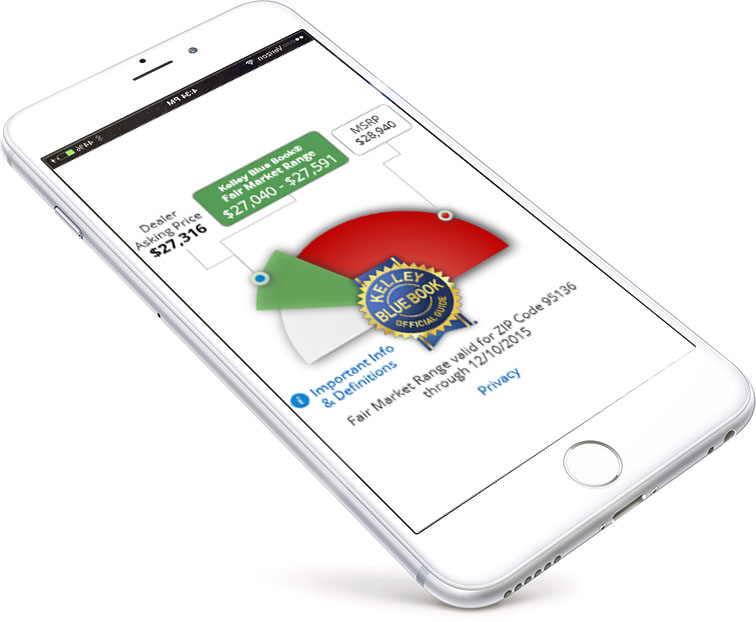
Kelley Blue Book launches the Kelley Blue Book Mobile App helping customers determine their current vehicle's worth, check prices for their next one, or find a local dealer.
Today, Kelley Blue Book uses a wide range of value data analysts, statisticians, state of the art technology and field analysts to help ensure market reflective pricing.
We analyze weekly market data from across the country to come up with the Kelley Blue Book Fair Market Range for 101 regions.
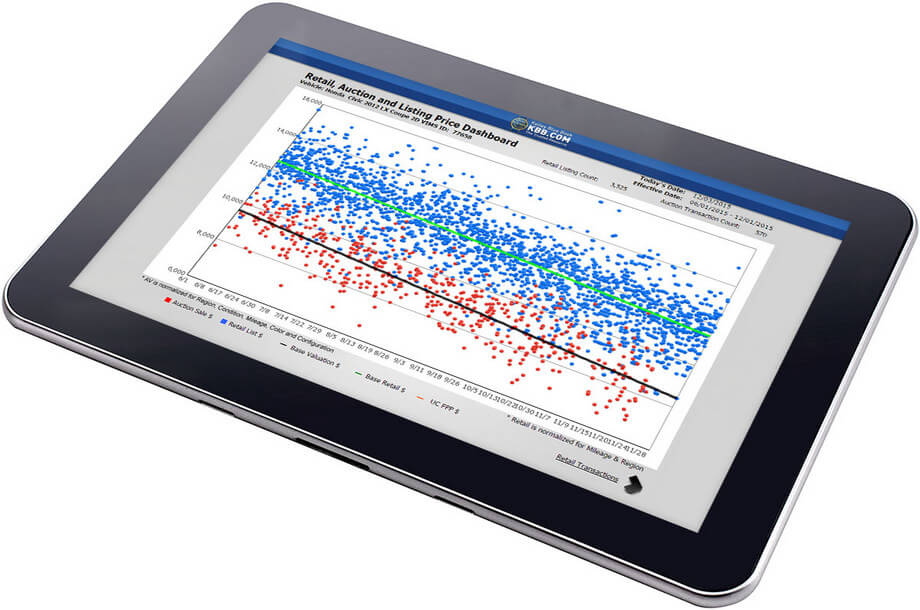

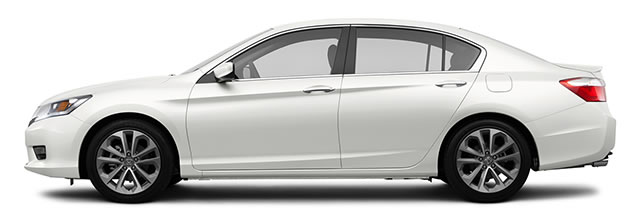
Kelley Blue Book's estimate of what a consumer can reasonably expect to receive this week based on the style, condition, mileage and options of the vehicle when they trade it in to a dealer. However, every dealer is different and values are not guaranteed.
Banks and dealers have now become so dependent on Kelley's values that he decides to begin publishing them in book form. The Blue Book of automotive values is born.
World War II brought with it a shortage of cars. Used car prices got so high the government decided to put a ceiling on prices and used the Blue Book as the ceiling for both wholesale and retail values.
Kelley Blue Book's estimate of what a consumer can reasonably expect to pay this week in their area for this year, make and model used vehicle with typical miles and configured with their selected options, excluding taxes, title and fees, when buying from a dealer. Each dealer sets and controls its own pricing.
Based on dealers' asking prices, the Fair Market Range is Kelley Blue Book's estimate of what a consumer can reasonably expect to pay this week for this year, make and model Certified Pre-Owned vehicle with typical mileage and configured with their selected options, excluding taxes, title and fees. Each dealer sets and controls its own pricing.
A game-changing innovation, Kelley Blue Book launches KBB.com. New-car prices introduced first, then used car values in 1996. 20,000 visitors a month used KBB.com. KBB.com becomes the most visited automotive website in 1997.
Kelley Blue Book launches the Kelley Blue Book Mobile App helping customers determine their current vehicle's worth, check prices for their next one, or find a local dealer.